Packing and Boxes in Movers: The Practical Foundation of a Smooth Relocation
Why Packing and Boxes Matter in Every Move

Packing and boxes in movers are more than just supplies and cartons; they are the backbone of an organized relocation. Whether you are moving across town or preparing for a long-distance transition, the quality of your packing materials and the strategy behind them can determine how efficient, secure, and stress-free the entire process feels. Movers rely on the right combination of moving boxes, protective wraps, labels, and techniques to keep belongings safe from the first item packed until the last item unpacked.
Many people underestimate how much damage can happen when packing is rushed or when the wrong box is used. A fragile lamp placed in a flimsy box can crack, books stuffed into a large carton can become too heavy to lift, and clothes left loose in containers can arrive wrinkled or dirty. Professional packing and boxes in movers solve these problems by creating structure. They give each item a proper place, reduce shifting during transport, and make unloading much easier.
For homeowners, renters, business owners, and families alike, moving boxes and packing materials are not a side detail; they are central to the success of the move. A good moving experience depends on planning, organization, and the ability to protect everything from everyday dishes to sentimental keepsakes. When you choose the right packing approach, you do not just move items—you preserve peace of mind.
Understanding the Role of Professional Movers in Packing

Professional movers often do much more than lift furniture and drive trucks. They also offer packing services, supply sturdy boxes, and design an efficient system that helps households and offices move with fewer delays. Packing and boxes in movers are used to streamline the relocation process, especially when a client has limited time or a large volume of items. The experience and organization of movers can significantly improve the outcome of a move.
Movers typically assess what needs to be packed, identify fragile or bulky items, and determine how many cartons and specialty containers are required. This is important because not every item belongs in the same type of box. Books need small, strong cartons. Kitchenware often needs dish packs and dividers. Clothing may be best packed in wardrobe boxes. Electronics require padded protection. By choosing the correct container, movers reduce the risk of breakage and keep boxes manageable to carry.
Another advantage of professional packing is consistency. When boxes are packed by trained movers, they are usually labeled clearly, sealed properly, and organized by room or category. This makes unpacking faster and helps prevent confusion. It also allows for a more accurate loading plan inside the moving truck. In short, packing and boxes in movers create a structured method that saves time, labor, and stress.
Types of Packing Boxes Used by Movers
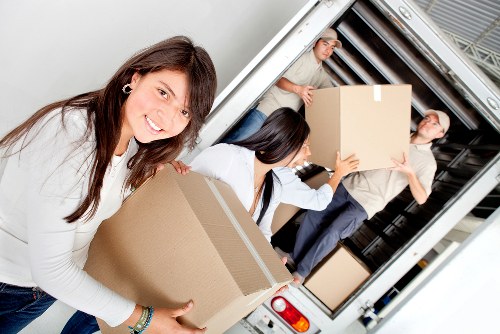
One of the most important parts of packing and boxes in movers is understanding the different box types available. Each box serves a specific purpose, and using the right one can make a major difference in safety and convenience. Movers often carry several styles of cartons and specialty boxes to handle items of various shapes, weights, and levels of fragility.
- Small boxes: Ideal for books, canned goods, tools, and other heavy items.
- Medium boxes: Best for kitchen supplies, toys, office items, and everyday household goods.
- Large boxes: Suitable for lightweight items such as bedding, pillows, and linens.
- Dish packs: Designed with extra strength and often used for glassware, dishes, and ceramics.
- Wardrobe boxes: Used for hanging clothes, coats, and formalwear.
- Mirror and picture boxes: Helpful for artwork, frames, and wall décor.
- File boxes: Common in office moves for documents and records.
Beyond the standard cartons, movers may also use specialty supplies such as mattress covers, furniture blankets, stretch wrap, and padding. These materials work alongside boxes to create a complete protective system. The goal is simple: prevent movement, absorb impact, and keep items clean throughout the journey.
Choosing the correct box size matters more than many people realize. A large box filled with heavy items becomes difficult to lift and more likely to break. A small, properly packed box distributes weight more safely and makes loading easier. That is why professional packing and boxes in movers focus not just on quantity, but on smart selection.
Packing Materials That Improve Safety and Organization

Boxes are only one part of the packing process. Movers also rely on a wide variety of packing materials that protect belongings and keep everything in order. High-quality packing and boxes in movers usually involve several layers of protection, especially for delicate or valuable items. These materials help reduce damage caused by vibration, shifting, or sudden movement during transportation.
Some of the most commonly used packing supplies include bubble wrap, packing paper, foam sheets, corrugated inserts, tape, and labels. Bubble wrap is excellent for glass, electronics, and decorative items. Packing paper is often used to wrap dishes, fill empty spaces, and prevent scratches. Strong packing tape keeps cartons sealed securely so they do not open in transit. Labels help movers and homeowners know what is inside each box and which room it belongs to.
Organization is just as important as protection. When each box is labeled clearly, unloading becomes much faster. Movers can place boxes directly in the correct rooms, and clients can prioritize what to unpack first. This is especially helpful for families with children, busy professionals, and businesses trying to get back to work quickly after relocation.
Common packing supplies movers rely on
The following items frequently appear in professional moving setups:
- Strong corrugated moving boxes
- Heavy-duty packing tape
- Bubble wrap and foam wrap
- Packing paper or newsprint
- Markers and labeling stickers
- Furniture pads and blankets
- Plastic stretch wrap
- Specialty cartons for fragile goods
How Movers Pack Fragile Items with Care

Fragile belongings require extra attention, and this is where packing and boxes in movers truly show their value. Items such as glassware, mirrors, artwork, electronics, collectibles, and family heirlooms cannot be packed casually. They need precise wrapping, layered cushioning, and boxes that fit them properly. Professional movers understand how to prevent pressure points and reduce motion inside the carton.
For fragile kitchen items, movers often wrap each dish individually, then place them vertically in a dish pack with dividers. Glasses may be cushioned with paper or foam sleeves. Electronics are usually packed in their original boxes if available, but if not, movers use padded cartons with anti-static protection. Artwork and mirrors are wrapped in corner protectors and placed in reinforced frames or picture boxes.
The key is to eliminate empty space. If a box has too much room inside, items can shift and collide. Movers fill gaps with crumpled paper, packing peanuts, or soft padding to stabilize contents. This is one reason professional packing and boxes in movers are so effective: every item is packed with both protection and balance in mind.
Packing Strategies That Make Moving Day Easier
Start early and work room by room
One of the most effective ways to improve a relocation is to begin packing well before moving day. Movers often recommend starting with non-essential items first, such as seasonal décor, books, extra linens, and rarely used kitchenware. This creates momentum and prevents last-minute pressure. Packing and boxes in movers work best when there is a clear plan for what gets packed first and what stays accessible until the final day.
A room-by-room approach is usually the most efficient. It keeps items grouped logically and reduces the risk of misplacing important belongings. For example, packing all bathroom items together makes unpacking simpler, while keeping office supplies in labeled cartons helps restore productivity quickly after the move. This method also helps movers load the truck in a way that protects delicate items and maximizes space.
Another helpful strategy is to create an essentials box. This box should contain items you will need immediately after arrival, such as toiletries, medications, chargers, snacks, paper towels, and a change of clothes. It is a small detail, but it can greatly reduce stress during the first 24 hours in a new home.
Tips for better packing efficiency
- Use small boxes for heavier items and large boxes for light items.
- Label every carton on multiple sides.
- Keep related items together.
- Do not overfill boxes.
- Seal each box with quality packing tape.
- Prepare an essentials carton for immediate use.
Packing and Boxes in Movers for Residential Relocations
Residential moves involve a wide variety of belongings, from furniture and appliances to children’s toys and personal collections. Packing and boxes in movers are especially useful in homes because the contents often represent years of accumulated possessions. A well-organized packing plan helps homeowners avoid clutter, protect valuables, and reduce the number of errors that can happen during a busy transition.
Families often have to balance packing with work, school, and daily routines. Professional movers can take on the task of boxing up the home while the household continues operating. This is particularly valuable for parents, seniors, and people with tight schedules. The right moving boxes and protective supplies ensure that kitchenware, clothing, décor, and furniture accessories remain safe and easy to locate after arrival.
Residential packing also supports decluttering. When every room is being sorted into boxes, people naturally see what they no longer need. This can reduce moving weight and help create a cleaner start in the new space. Movers may encourage clients to donate, recycle, or discard items that no longer serve a purpose. The result is a move that feels lighter and more intentional.
What residential movers commonly pack
- Kitchenware and pantry goods
- Bedroom linens and clothing
- Books, documents, and personal files
- Small appliances and electronics
- Decorative objects and artwork
- Children’s toys and school items
Packing and Boxes in Movers for Office and Commercial Moves
Office relocations demand speed, accuracy, and minimal downtime. Packing and boxes in movers are essential in commercial settings because businesses cannot afford to lose time searching for documents, equipment, or supplies. Movers working on office relocations often use file boxes, computer cartons, and equipment padding to make the transfer clean and efficient.
Commercial packing usually begins with sorting by department or workstation. This helps ensure that items end up in the right place at the new location. Labels may include employee names, desk numbers, file categories, or room assignments. By organizing items before transport, movers make it easier for teams to resume operations without confusion.
Businesses also benefit from packing strategies that reduce risk. Important papers should be sealed in secure file cartons. Monitors and printers need padding. Office décor and breakroom items should be boxed separately. When movers handle the packing, the process is usually faster and less disruptive, allowing employees to focus on business rather than logistics.
Why business moves depend on organized packing
Efficiency, security, and continuity are the three biggest reasons. Proper boxes and packing materials protect assets, improve load coordination, and shorten the time it takes to reopen at the new site. This makes packing and boxes in movers a critical service for offices, retail locations, and small commercial spaces.
How to Choose the Right Packing and Box Service
Not all moving services are the same, so choosing the right provider matters. When evaluating packing and boxes in movers, look for a company that offers quality materials, trained staff, and a clear process. The best movers know how to select box sizes, estimate supply needs, and handle specialty items safely. They also communicate clearly about what is included in the service.
Ask about box quality. Some movers use new, heavy-duty cartons, while others may offer recycled options for certain items. Both can be useful, but the boxes should always be sturdy, clean, and appropriate for the contents. It is also important to ask whether the company provides packing paper, tape, wardrobe cartons, or fragile-item supplies. A reliable mover will explain the differences and recommend the best materials for your needs.
It helps to compare service options such as full packing, partial packing, and unpacking assistance. Full packing is ideal for busy households or complex relocations. Partial packing works well for clients who want help with delicate or time-consuming items only. Unpacking support can be especially useful after a long move, helping you settle in faster and more comfortably.
Cost Factors Related to Packing and Boxes in Movers
The cost of packing and boxes in movers depends on several variables, including the size of the home, the number of items, the types of boxes required, and whether specialty packing is needed. Fragile or oversized belongings often require more time and more materials, which can increase the total price. However, investing in proper packing often saves money by preventing damage and reducing the chance of replacement costs.
Some movers charge separately for packing materials, while others include them in a bundled relocation package. It is important to understand what is covered before the move begins. If you are trying to manage expenses, consider packing non-fragile items yourself while leaving valuable or breakable possessions to trained professionals. This hybrid approach can offer a smart balance between cost and convenience.
Remember that the cheapest option is not always the best value. Low-quality boxes can collapse, and poor packing can cause expensive damage. A better investment is usually a service that provides durable boxes, proper cushioning, and careful handling. Good packing and boxes in movers protect both your belongings and your budget over time.
Best Practices for Labeling and Inventory Control
Make unpacking simpler from the start
Clear labeling is one of the easiest ways to improve the moving experience. Every box should show the room it belongs to, a brief list of contents, and any special handling instructions. For example, a label might say “Kitchen – Plates and Glasses – Fragile†or “Office – Files – Open First.†This saves time during unloading and helps everyone know where each carton should go.
Inventory lists can be even more helpful for larger homes or business relocations. Numbering boxes and tracking their contents in a notebook or spreadsheet gives you a full record of what was packed. This is particularly useful when moving valuable items, storing belongings temporarily, or coordinating several rooms at once. Packing and boxes in movers become even more effective when inventory control is part of the system.
Labels also help with priority unpacking. If you know which boxes contain essentials, you can open them first and leave non-urgent items for later. This reduces clutter and prevents the frustration of searching through multiple cartons for basic supplies.
Why Proper Boxes Prevent Damage During Transport
Transportation is one of the most vulnerable stages in any move. Boxes may be stacked, shifted, lifted, or tilted while being loaded and unloaded. Packing and boxes in movers minimize damage by keeping items secure inside each carton and making the load more stable inside the truck. A well-packed box protects its contents from bumps and movement that naturally occur during transit.
Strong boxes also help movers stack items correctly. Uniform shapes make truck loading safer and more efficient. Heavy boxes can be placed lower, lighter boxes higher, and fragile cartons secured in stable positions. This structured loading pattern reduces the chance of crushing, tearing, or tipping. It also allows movers to use space wisely, which can lower the number of trips required.
When packing is done well, the truck becomes a controlled environment rather than a random pile of items. That control is what keeps belongings intact from origin to destination. Good boxes, careful wrapping, and skilled loading work together to create reliable protection.
Simple Tips to Make Your Move Less Stressful
Even a carefully planned move can feel overwhelming, but the right packing approach can make a huge difference. Packing and boxes in movers are most effective when paired with simple habits that reduce confusion and last-minute pressure. A little preparation goes a long way.
- Begin packing early instead of waiting until the final days.
- Sort items by room and by priority.
- Use quality boxes that match the weight of the contents.
- Keep important documents, medications, and valuables separate.
- Pack an essentials kit for the first day in the new location.
- Reserve extra tape, markers, and padding for final adjustments.
It is also wise to keep a calm pace and avoid packing while distracted. Mistakes often happen when people rush. If you are short on time or have fragile belongings, professional help can make the process smoother. Contact us today if you want reliable packing support, or book your service now to make moving day easier and more organized.
Final Thoughts on Packing and Boxes in Movers
Packing and boxes in movers are far more than a moving-day accessory. They are a practical system that protects belongings, improves efficiency, and helps people settle into a new space with less stress. From box selection and padding to labeling and transport, every step contributes to a smoother experience. The better the packing, the better the move.
Whether you are relocating a house, apartment, office, or retail space, the right moving boxes and packing materials can make the difference between a chaotic transition and an organized one. Professional movers bring expertise, structure, and the right supplies to keep everything on track. That means less damage, less confusion, and more confidence throughout the process.
If you are preparing for a move, now is the time to plan your packing strategy. Choose durable boxes, use smart organization, and work with experienced movers who understand how to protect your items from start to finish. Book your service now and take the next step toward a safer, faster, and easier relocation.