Removals in Movers: What to Expect, How It Works, and Why It Matters
When people search for removals in movers, they are usually looking for a smooth, safe, and efficient way to relocate belongings from one place to another. Whether it is a home move, office relocation, student transition, or a specialist transport job, removals are at the heart of what professional movers do. A well-planned removal service can save time, reduce stress, and protect valuable items from damage during transit.
Today, removals in movers are no longer just about lifting boxes and loading a truck. The service has evolved into a structured process that includes packing, inventory management, furniture disassembly, safe handling, transportation, unloading, and sometimes storage. This is why choosing the right moving team matters so much. The right movers can transform a complicated relocation into a manageable, organized experience.
In this article, we will explore what removals in movers actually involve, the different types of moving services available, what affects pricing, how to prepare for moving day, and how to choose a provider that suits your needs. If you are planning a move soon, this information will help you understand the process and make smarter decisions.
Understanding Removals in Movers

At its core, removals in movers refers to the process of relocating possessions from one location to another with the help of trained professionals. Movers provide the labor, equipment, vehicles, and expertise needed to ensure items are moved safely and efficiently. This may sound simple, but the actual work behind a successful removal service involves many steps and careful coordination.
Professional removals are especially valuable because they reduce physical strain and minimize the risk of damage. For example, lifting large furniture without the right technique can lead to injuries or broken items. Movers are trained to handle heavy, awkward, or fragile goods using proper methods, protective materials, and specialized tools.
Another important aspect of removals in movers is organization. A good moving team does more than transport boxes. They help structure the entire relocation process, often starting with an assessment of the property, planning the logistics, and assigning the right resources for the job. This level of organization is what makes professional movers different from a simple van rental.
Why Professional Removals Matter
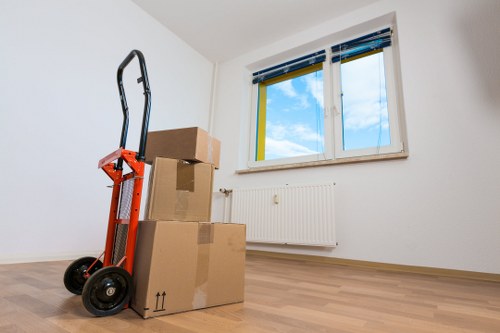
There are many reasons people turn to professional movers for removals. One of the biggest advantages is peace of mind. Moving can be physically exhausting and emotionally demanding, especially if you are relocating with children, pets, or a business schedule that cannot be interrupted. Professional removals help make the process more manageable and predictable.
Another major benefit is efficiency. Movers know how to pack vehicles strategically, protect fragile items, and complete relocations in less time than most people could manage on their own. That efficiency can be especially helpful when time is limited, such as during a lease changeover, office closure, or last-minute move.
Safety is also a major reason why removals in movers are so valuable. Professional teams understand how to navigate stairs, tight corridors, narrow doorways, and heavy loads without causing damage to the property or the items being moved. In addition, many removal services offer insurance options that provide extra protection during the move.
Types of Removal Services Offered by Movers
Not all removals are the same. Different situations require different approaches, and professional movers usually offer a range of services to match those needs. Understanding the main categories can help you choose the right solution and avoid paying for services you do not need.
- House removals for homes, apartments, and flats
- Office removals for commercial spaces and business equipment
- Student removals for smaller moves with limited belongings
- Furniture removals for large or bulky single-item transport
- International removals for cross-border relocations
- Man and van services for smaller, flexible moving jobs
- Storage-linked removals for temporary holding before delivery
House removals are among the most common services. These often include the packing of household items, transportation of furniture and boxes, and unloading at the destination. Office removals, by contrast, require careful scheduling to reduce business downtime and protect equipment such as computers, printers, desks, and filing systems.
Some movers also specialize in delicate items, such as antiques, pianos, artwork, or electronics. These specialist removals demand extra care, custom packing methods, and sometimes climate-controlled transport. This is one reason why the phrase removals in movers covers such a broad range of services.
Residential and Commercial Moving Differences
Residential removals usually focus on household belongings and personal convenience. Commercial removals are more about continuity, speed, and minimizing disruption. Businesses often need their removals completed after hours or during weekends so operations can continue with minimal interruption.
Commercial moving teams may also need to handle sensitive documents, servers, warehouse stock, or specialized office furniture. This means the moving plan should be more detailed, with labeled zones, inventory lists, and a clear sequence for loading and unloading. Residential moves may be simpler in structure, but they still benefit from the same professional attention.
How the Removals Process Usually Works

Although every move is different, most removals in movers follow a similar pattern. The first stage is usually a survey or assessment. This allows the moving company to determine the size of the job, the number of staff required, the type of vehicle needed, and any special equipment that may be necessary.
Next comes planning. Movers may help organize the move date, create a packing schedule, and identify items that need special handling. If the move includes furniture disassembly, fragile packaging, or storage, those details are usually built into the plan at this stage. Proper planning is essential for reducing delays and avoiding confusion on moving day.
Then comes packing and preparation. Some clients choose a full packing service, while others prefer to pack their own boxes. Professional movers can supply materials such as cartons, tape, bubble wrap, covers, labels, and wardrobe boxes. The goal is to keep each item protected and easy to identify during unloading.
After packing, the team loads the vehicle carefully. Heavy items are typically placed first, with fragile boxes secured on top or in protected sections. Once everything is loaded, the items are transported to the destination and unloaded in the correct rooms or locations. Many removals teams also reassemble furniture and remove packing waste if requested.
Typical Steps in a Move
- Initial survey and quote
- Booking and move-day confirmation
- Packing and labeling
- Furniture disassembly if needed
- Loading and secure transport
- Unloading and placement at destination
- Optional unpacking and cleanup
What Affects the Cost of Removals in Movers?
Pricing is one of the most important considerations for anyone planning a move. The cost of removals in movers can vary widely depending on several factors. Understanding these variables can help you budget more accurately and avoid surprises.
Distance is a major factor. A local move usually costs less than a long-distance or cross-country relocation because of fuel, travel time, and labor requirements. The volume of belongings also matters. More items usually mean more time, more manpower, and a larger vehicle.
Access conditions can also affect pricing. If movers need to carry items up several flights of stairs, navigate narrow hallways, or park far from the property, the job may take longer and require extra effort. Additional services such as packing, storage, cleaning, and special-item handling can also increase the total cost.
- Move distance
- Property size and inventory volume
- Difficulty of access
- Special handling requirements
- Packing and unpacking services
- Storage needs
- Time of year and demand
It is always smart to request a detailed quote rather than assuming a flat rate. A transparent estimate should explain what is included and whether there are any optional extras. This helps you compare removal companies more effectively and choose the best value, not just the lowest price.
Tip: If possible, book your move in advance. Peak moving periods, such as weekends, month-end dates, and summer months, can lead to higher prices and limited availability.
Packing for a Successful Removal

Packing is one of the most important parts of removals in movers, because the way items are packed directly affects how safely they travel. Good packing reduces the chance of breakage, confusion, and delays. Even if you hire professionals, understanding packing basics can help you prepare better.
Start with items you use less often and work toward daily essentials. Label each box clearly with the room name and a short description of the contents. This makes unloading faster and makes it easier to locate important items after the move. Use sturdy boxes and avoid overfilling them, especially with heavy items like books.
Fragile items should be wrapped individually with protective materials. Plates, glasses, mirrors, and electronics may require extra padding and marked labels such as fragile or this side up. Towels, blankets, and clothing can also be used to cushion items during transport, which is both practical and cost-effective.
Packing Essentials to Keep Ready
- Strong boxes in different sizes
- Packing tape and dispensers
- Bubble wrap and paper
- Markers and labels
- Furniture covers
- Mattress bags
- Plastic bags for small loose parts
It is also wise to prepare an essentials box containing items you will need immediately after arrival. This might include phone chargers, toiletries, snacks, important documents, medication, and a change of clothes. Having these items on hand reduces stress during the first night in your new space.
How Movers Protect Belongings During Removals
Protection is at the center of professional removals. Movers use a combination of wrapping materials, correct loading techniques, and secure fastening methods to keep items stable and safe throughout the journey. This care is especially important for fragile, expensive, or sentimental belongings.
Furniture is often wrapped in blankets, padded covers, or stretch film to prevent scratches and dirt. Corners may be protected with cardboard or foam. Delicate boxes are sometimes separated from heavier items to avoid crushing. Inside the vehicle, items are arranged so they do not slide or topple during transit.
Professional movers also think about the property itself. Floors, door frames, walls, and bannisters may be protected with runners or padding during the loading and unloading process. These small details show the difference between casual moving and professionally managed removals in movers.
Special Care for Valuable Items
Some items require a more specialized removal method. Pianos, antiques, large mirrors, glass tables, and artwork often need custom wrapping or lifting techniques. In some cases, a team may use hoists, dollies, straps, or specialist crates. The more valuable or delicate the item, the more important it is to choose movers with the right experience.
When booking removals, always mention anything that is unusually heavy, fragile, or difficult to move. This helps the company prepare the correct equipment and staffing, ensuring a smoother and safer process.
Choosing the Right Movers for Your Removal

Selecting the right company is one of the most important decisions you will make during the moving process. With so many providers available, it is worth taking the time to compare your options carefully. The best removals in movers should combine reliability, clear pricing, good communication, and proven experience.
Look for movers who provide written quotes, explain their services clearly, and answer questions without pressure. A trustworthy company should be able to discuss packing options, insurance coverage, timing, and any special requirements for your move. Professionalism in the early stages often reflects how the move itself will be handled.
Experience matters as well. Movers who regularly handle the type of move you need are more likely to anticipate problems and manage them effectively. For example, a company that handles office removals may not be the best choice for a fragile antique collection unless they also specialize in specialist transport.
- Check reviews and ratings from multiple sources
- Verify insurance and licensing where relevant
- Ask what packing and loading services are included
- Confirm whether furniture assembly is available
- Ask about delays, waiting time, and cancellation terms
- Compare several quotes before deciding
Book your service now if you have found a mover that offers the right mix of reliability, value, and expertise. The earlier you secure a booking, the more flexibility you will have with your moving date and service level.
Common Mistakes to Avoid During Removals
Even with professional support, some mistakes can make the moving process more stressful than it needs to be. One common issue is leaving packing until the last minute. Rushed packing often leads to poor labeling, damaged items, and forgotten essentials. Starting early gives you more control and better results.
Another mistake is underestimating how much space belongings will take. It is easy to assume a move is smaller than it really is, especially when boxes and furniture are spread across several rooms. A proper assessment helps avoid booking a vehicle that is too small or too few movers for the job.
It is also important not to ignore access issues. A property with stairs, limited parking, or restricted loading hours can affect the success of the move. Let the movers know about these details in advance so they can plan appropriately. Clear communication prevents delays and supports a smoother moving day.
Extra Mistakes to Watch Out For
Some people forget to update addresses, utility providers, or building managers before the move. Others pack important documents in random boxes rather than keeping them close at hand. These may seem like small issues, but they can create unnecessary stress when time is already limited.
A smart move is always a planned move. Taking time to organize, label, and communicate clearly can make the difference between a difficult relocation and a successful one.
Removals in Movers for Business and Office Relocations
Office relocations require careful timing and coordination because businesses often need to continue operating during the move. Professional movers help companies transfer desks, chairs, computers, storage units, and other office assets with minimal interruption. A well-structured office removal can reduce downtime and help employees settle into the new space quickly.
Business removals often include detailed labeling systems so every item ends up in the correct department or room. IT equipment may need special handling, and sensitive files may require secure transport. Some movers also offer phased moves, where the relocation is split into stages to keep essential functions running throughout the transition.
Removals in movers for businesses are especially valuable when the company has tight deadlines or a large volume of equipment. In these situations, experience and planning matter just as much as physical labor. A professional team can turn a disruptive event into an organized project with a clear timeline.
Storage Options and Flexible Moving Solutions
Sometimes a move does not go directly from one property to another. You may need temporary storage because the new home is not ready yet, the office fit-out is still in progress, or you simply need extra time to sort belongings. Many removals companies offer storage as part of their service package.
Storage-linked removals are useful because they allow you to move items out of one place immediately without rushing the next stage. This flexibility can be particularly helpful during renovations, chain delays, or international relocations. Items can be collected, stored securely, and delivered later when needed.
If storage is part of your plan, ask about access, security, climate conditions, and whether the storage is short-term or long-term. Matching your moving timeline with the right storage option can make the entire process much easier.
Final Thoughts on Removals in Movers
Removals in movers are about much more than transportation. They are about planning, safety, efficiency, and support during one of life’s most disruptive events. Whether you are moving a small apartment, a family home, an office, or a single specialist item, professional movers can make the process smoother and more controlled.
By understanding what removals involve, how costs are calculated, and what services are available, you can approach your move with confidence. The right moving company will not only carry your belongings, but also help protect your time, energy, and peace of mind. That is the real value of professional removals.
If you are preparing for a move, compare your options, ask the right questions, and choose a service that fits your needs. Contact us today and take the next step toward a safer, simpler, and more organized relocation. Book your service now if you want a moving experience that is handled with care from beginning to end.